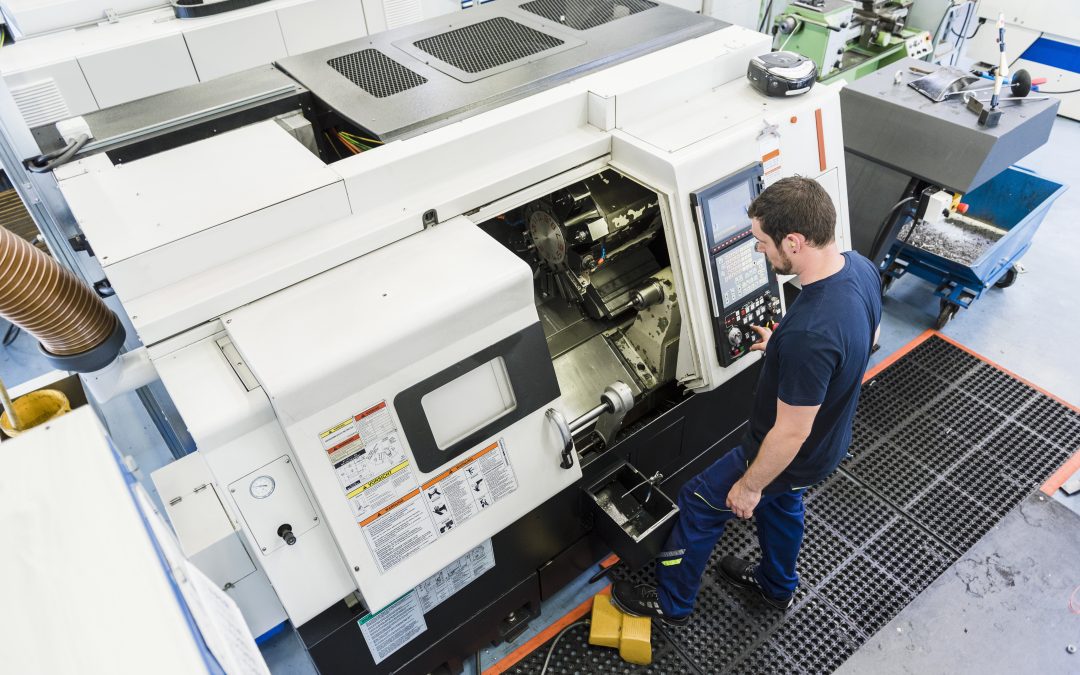
Plastic is one of the most versatile materials in modern manufacturing. From intricate medical devices to robust industrial components, its applications are nearly limitless. However, turning a block of plastic into a precise, functional part requires specialized skill and technology. CNC (Computer Numerical Control) plastic machining stands out as a leading method for achieving this, offering unparalleled accuracy and consistency.
Understanding the fundamentals of CNC plastic machining can help you make informed decisions for your next project. This guide will walk you through the entire process, covering the best materials for the job, the techniques used to shape them, and the significant benefits of this manufacturing method. We will also show how an experienced partner like Fab Tech Plastics & Metals can transform your design into a durable, high-quality finished product.
What is CNC Plastic Machining?
CNC plastic machining is a subtractive manufacturing process that uses computer-controlled machines to cut and shape plastic material. It starts with a digital design file, such as a CAD (Computer-Aided Design) model. This design is then translated into a set of instructions, or G-code, which directs the cutting tools.
The CNC machine, which could be a mill, lathe, or router, follows these precise instructions to remove material from a solid block of plastic, known as a blank or workpiece. The process continues layer by layer until the final, desired shape is achieved. Because the entire operation is automated, CNC machining can produce complex geometries with incredibly tight tolerances, ensuring every part is a perfect match to the original design.
Choosing the Right Plastic Material
The success of a project often depends on selecting the right material. Plastics are not a one-size-fits-all solution; different types offer unique properties suited for specific applications. Heat resistance, chemical durability, flexibility, and strength are all critical factors.
Here are some of the most common plastics used in CNC machining:
ABS (Acrylonitrile Butadiene Styrene): Known for its toughness and impact resistance, ABS is a versatile and cost-effective choice. It is often used for enclosures, consumer electronics, and automotive parts.
Acrylic (PMMA): Often used as a lightweight, shatter-resistant alternative to glass, acrylic boasts excellent optical clarity. It is ideal for display cases, light pipes, and lenses.
Polycarbonate (PC): This material is exceptionally strong, impact-resistant, and can withstand high temperatures. It’s a popular choice for safety glasses, machine guards, and electronic components.
Nylon (PA): With its excellent mechanical strength and resistance to wear and chemicals, Nylon is frequently used for gears, bearings, and other moving parts that require low friction.
Delrin (POM): A high-strength, low-friction plastic, Delrin is known for its dimensional stability and resistance to moisture. It is perfect for high-performance parts like bushings, rollers, and electrical insulators.
HDPE (High-Density Polyethylene): This plastic is valued for its high impact strength, resistance to chemicals, and low moisture absorption. It’s often used for cutting boards, tanks, and plugs.
PVC (Polyvinyl Chloride): PVC is highly resistant to chemicals and corrosion, making it a great option for industrial applications like tanks, valves, and piping systems.
At Fab Tech, our experienced team can help you navigate these options. We provide expert guidance to ensure you select the plastic material that best fits your project’s performance requirements and budget.
Key Techniques in CNC Plastic Machining
While CNC machining is automated, the process itself involves several specific techniques. Unlike metals, plastics have lower melting points and can be more sensitive to heat and cutting forces. Skilled machinists must carefully manage these factors to avoid melting, warping, or cracking the material.
The primary CNC plastic machining techniques include:
CNC Milling: A rotating cutting tool moves along multiple axes to remove material from a stationary workpiece. This is used to create complex shapes, slots, holes, and surface features.
CNC Turning: The workpiece is rotated at high speed while a stationary cutting tool removes material. This technique is ideal for creating cylindrical parts like shafts, rods, and custom fittings.
CNC Routing: Similar to milling but typically used for cutting large sheets of plastic into flat, two-dimensional shapes. It is common for creating signage, panels, and custom cabinetry.
Proper tool selection, spindle speeds, and feed rates are crucial for success. At Fab Tech Plastics & Metals, our technicians combine years of experience with state-of-the-art equipment. We have perfected our techniques to machine plastics with exceptional precision, ensuring a smooth surface finish and maintaining the structural integrity of the material.
The Benefits of CNC Plastic Machining
Choosing CNC machining for your plastic components offers several distinct advantages over other methods like injection molding or 3D printing, especially for prototyping and low-to-medium volume production runs.
- Unmatched Precision and Accuracy: Automation eliminates the potential for human error. CNC machines can consistently produce parts with tolerances as tight as a few thousandths of an inch, ensuring every piece is identical.
- Excellent Material Properties: Since the process starts with a solid block of high-quality plastic, the finished parts retain their inherent strength and durability. This contrasts with some additive methods where layer lines can create weak points.
- Speed and Efficiency: Once the design is programmed, CNC machines can run with minimal supervision, often around the clock. This makes it a fast and efficient option for both one-off prototypes and larger production runs.
- Versatility and Complexity: CNC machining can create highly complex geometries and intricate details that would be difficult or impossible to achieve with other methods.
- Cost-Effective for Many Applications: While injection molding is cheaper for mass production, it requires expensive custom molds. CNC machining has no tooling costs, making it more affordable for prototypes and small-to-medium batch sizes.
Why Partner with Fab Tech for Your Machining Needs?
Choosing the right manufacturing partner is just as important as choosing the right material and method. At Fab Tech Plastics & Metals, we specialize in high-quality plastic machining. Our team brings over 100 years of combined experience to every project, ensuring we have the knowledge to overcome any challenge.
We are dedicated to delivering durable, high-performance products engineered to your exact specifications. Our investment in the latest CNC technology allows us to work with a wide range of plastics and produce parts with the tight tolerances your application demands. From small, intricate components to large-scale duct work and custom cabinetry, we handle jobs of all sizes with the same commitment to quality and on-time delivery.
Bring Your Plastic Component Designs to Life
CNC plastic machining offers a powerful solution for creating precise, durable, and complex parts for a wide range of industries. By understanding the materials, techniques, and benefits, you can unlock its full potential for your projects.
When you are ready to move from design to production, you need a partner with proven expertise. Let Fab Tech Plastics & Metals put our experience and technology to work for you.
Contact us today to discuss your project and receive a free quote for your CNC plastic machining needs.
